How to Define Personal Injury Protection (PIP): A Complete Guide for Crash Victims
Quick answer: The simplest way to define personal injury protection (PIP) is as no-fault auto insurance that pays your own medical bills and certain other losses after a crash, no matter who caused it. PIP is standard in no-fault states, but Louisiana is not one of them. This guide explains exactly what PIP is, what it pays for, why that kind of immediate coverage matters so much after a wreck, and what Louisiana drivers actually rely on instead.
You buy auto insurance for years and hope you never have to understand it. Then a driver runs a red light on Canal Street, your commute ends in a pile of broken glass, and the fine print on your policy becomes the most important document in your life. One term keeps surfacing in your research and in advice from friends out of state: personal injury protection, or PIP. Before you can decide whether it applies to you, you need to know what PIP really is and what it does not do.
Below, our team walks through the coverage in plain English, explains why the difference between a no-fault state and an at-fault state changes everything, and shows you the Louisiana-specific options that fill the same role. If you would rather talk it through with a person, you can request a free case review with an experienced personal injury lawyer any time.
How Insurers Define Personal Injury Protection (PIP)
When clients ask what PIP means, we start with one word: no-fault. PIP is a type of car insurance coverage that pays for your medical treatment and related expenses after an accident regardless of who was to blame. You do not have to prove the other driver was negligent, wait for an investigation, or win an argument with an adjuster before the bills get paid. Your own policy responds first, quickly, so care can begin.
This is very different from the way most people assume car insurance works. In the traditional system, the at-fault driver’s insurance is supposed to pay for the injured person’s losses, but only after fault is established, which can take months. PIP was designed to skip that delay for medical needs. According to the Insurance Information Institute, PIP is required in no-fault states and available as an optional add-on in several others. Roughly a dozen states run some version of a no-fault system built around this coverage.
What Personal Injury Protection Actually Covers
One reason PIP is valued in the states that use it is that it reaches beyond hospital bills. A good PIP policy is built to keep an injured household afloat while the person heals. Exact limits vary by state and by policy, but the coverage typically includes the categories below.
Medical Expenses
Emergency room visits, surgery, hospital stays, imaging, physical therapy, and follow-up care tied to the crash. This is the core of the coverage and usually the largest piece.
Lost Wages
A portion of the income you cannot earn while you are too injured to work. For a family living paycheck to paycheck, this benefit can be the difference between recovering calmly and falling behind on rent.
Essential Services
The cost of hiring help for tasks you normally handle yourself, such as childcare, cleaning, or yard work, while your injuries keep you from doing them.
Funeral and Survivor Benefits
In the most tragic cases, PIP can help with funeral expenses and provide limited death benefits to surviving family members.
Notice what is missing from that list: pain and suffering. PIP is about economic losses, the hard dollars of treatment and lost income. It does not pay for the emotional toll of a serious injury, and it does not hold the at-fault driver accountable. Those goals still require a separate liability claim, which is exactly where a lawyer becomes essential.
Why This Kind of Immediate Coverage Matters So Much
It is tempting to treat coverage details as boring paperwork, right up until you are the one lying on a backboard. The value of no-fault medical coverage becomes obvious the moment you understand how car crash injuries actually behave, because they rarely announce themselves politely at the scene.
In the minutes after a collision, your body floods with adrenaline and other stress chemicals that can mask pain and hide the true severity of an injury. Many people feel strangely functional at the roadside, decline the ambulance, and drive home, only to wake up two or three days later barely able to turn their neck. That gap between how you feel and how hurt you really are is one of the most dangerous features of any wreck.
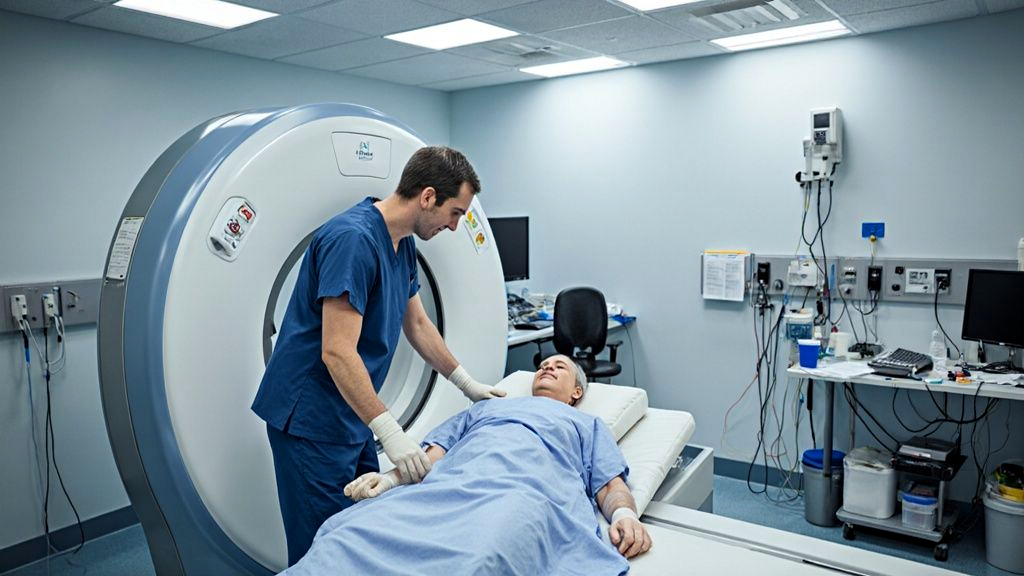
The delayed injuries are not minor, either. Roughly two-thirds of motor vehicle crash victims develop some form of whiplash, and the same violent motion that snaps the neck can injure the brain. Traumatic brain injuries are sometimes called a silent epidemic because they frequently do not show up on a standard scan and get dismissed as stress or a bad headache. A driver can be treated and released with a clean bill of health, then be diagnosed weeks later with a spinal fracture or a concussion that no one caught the first night. Coverage that pays for care immediately, without waiting on a fault fight, is what lets people get the imaging and follow-up that catches these problems early.
The Cost Reality Nobody Warns You About
A serious crash injury is not a one-visit expense. Between surgery, rehabilitation, imaging, and long-term care, the price of recovering from a severe brain or spinal injury can climb into the hundreds of thousands or even millions of dollars. This is precisely why the medical portion of your auto policy deserves your attention long before you ever need it, and why guessing at your coverage after the wreck is a costly mistake.
Does Louisiana Have Personal Injury Protection?
Here is the part that surprises many local drivers. Louisiana is not a no-fault state, which means it does not require or offer traditional PIP the way Florida, Michigan, or New York do. Louisiana runs on an at-fault, or tort, system. The driver who causes a crash, and that driver’s insurance, is responsible for the resulting harm, and the injured person pursues compensation from the at-fault party.
So if you carry a Louisiana auto policy, you almost certainly do not have a coverage literally labeled personal injury protection. What you may have instead is a close cousin called Medical Payments coverage, or MedPay, plus several other protections that can do similar work. The Louisiana Department of Insurance requires drivers to carry bodily injury and property damage liability, but the coverages that protect you and your own passengers are optional add-ons that many people skip to save a few dollars a month.
| Coverage | Pays For | Depends on Fault? |
|---|---|---|
| PIP (no-fault states only) | Your medical bills, lost wages, and essential services | No, pays regardless of fault |
| MedPay (available in Louisiana) | Medical bills for you and your passengers | No, pays regardless of fault |
| Bodily Injury Liability | Injuries you cause to other people | Yes, pays when you are at fault |
| Uninsured/Underinsured Motorist | Your injuries when the other driver has little or no coverage | Based on the other driver’s fault |
What Louisiana Drivers Rely On Instead of PIP
Just because Louisiana skips the PIP label does not mean you are unprotected. It means the same jobs are handled by a few different coverages, and knowing which ones you carry is what keeps you from paying out of pocket for someone else’s mistake. A knowledgeable car accident attorney can review your declarations page and tell you exactly what applies.
Medical Payments (MedPay)
This optional coverage is the closest thing Louisiana offers to the medical piece of PIP. It pays medical bills for you and your passengers no matter who caused the crash, which means treatment can start without waiting for a liability decision. It does not cover lost wages, but for fast medical help it is invaluable.
Uninsured and Underinsured Motorist Coverage
Louisiana has a high number of uninsured drivers, so this protection matters here more than almost anywhere. If the person who hit you has no insurance or not enough of it, your own UM/UIM coverage steps in to pay for your injuries.
Your Health Insurance
Standard health coverage will often pay for crash-related treatment, though it may later seek reimbursement from any settlement you recover. It is a safety net, not a substitute for the auto coverages above.
The At-Fault Driver’s Liability Coverage
Because Louisiana is a tort state, the driver who caused your wreck is ultimately responsible for your full damages, including pain and suffering. Recovering that money is where a personal injury claim, and an attorney who negotiates hard, does the heavy lifting.
Warning: Do not let an adjuster talk you into believing that MedPay or UM coverage is all you can ever collect. Those coverages help early, but in an at-fault state they do not replace a full injury claim against the driver who hurt you. Before you accept any quick offer or give a recorded statement, understand the difference by talking with an auto accident personal injury lawyer.
Frequently Asked Questions
It is auto insurance that pays your own medical bills and some related costs after a crash regardless of fault. Think of it as a no-fault safety net that pays first and sorts out blame later. It exists mainly in no-fault states, not in Louisiana.
Almost certainly not, because Louisiana is an at-fault state that does not sell traditional PIP. Check your declarations page for MedPay and uninsured motorist coverage instead. If you are unsure what you have, an attorney can review it with you for free.
No. These no-fault coverages pay only economic losses like medical bills and, for PIP, lost income. Compensation for pain, suffering, and long-term impact comes from a liability claim against the driver who caused the crash.
The Bottom Line for Injured Louisianians
Learning to define personal injury protection is really about understanding one big idea: some coverage pays no matter who is at fault, and some coverage depends entirely on proving fault. PIP lives in the first category and shines in no-fault states. Louisiana lives in the second, so your protection comes from MedPay, uninsured motorist coverage, and a full claim against the driver who hurt you.
One advantage of Louisiana’s system is that, unlike a no-fault state, nothing limits your right to pursue the driver who hurt you for the full value of your losses. The people who come through a serious crash in the strongest position are the ones who understood their coverage before they needed it and who called a real attorney early, before an adjuster set the terms. If a wreck has left you hurt and unsure what your policy covers, our New Orleans personal injury attorney team is ready to sort it out and fight for everything you are owed.
“Sean took the time to answer my questions and made me feel comfortable and supported throughout. His staff genuinely cared about my case and ultimately got me the settlement I was hoping for.”
Marcie L., 5-star Google review
Not Sure What Your Policy Covers? Let Us Read It for You.
Free consultation. No obligation. You pay nothing unless we win your case.
(504) 888-7777Request your free case review today. • No Fees Unless We Win • Se Habla Español