Tesla Car Accidents: Critical Legal Issues and Liability in Louisiana
What This Guide Covers: Tesla car accidents look like ordinary crashes from the roadside, but the legal questions they raise are anything but ordinary. Was Autopilot or Full Self-Driving engaged? Did a battery pack ignite? Who owns the crash data, and who can be held responsible: the driver, the manufacturer, or another motorist? This guide walks Louisiana drivers through how liability is decided after a Tesla crash, why these cases can involve multiple defendants, and the steps that protect your right to compensation before critical evidence disappears.
Why Tesla Car Accidents Raise Unique Legal Questions
Every crash raises the question of who was at fault, but Tesla car accidents add layers that a standard fender bender never touches. A Tesla is not just a car. It is a computer on wheels that steers, brakes, and accelerates through software, records a stream of data about everything the vehicle was doing, and can change its own behavior overnight through a wireless update. When one of these vehicles is involved in a collision, the answer to “who is responsible” may include a party who was never even at the scene.
The federal government has taken notice. The National Highway Traffic Safety Administration has opened multiple investigations into crashes involving Tesla’s Autopilot and Full Self-Driving systems, and hundreds of these incidents have been logged with regulators. For an injured driver in Louisiana, that shifting legal landscape matters, because it can open doors to compensation that a traditional crash claim would never reach.
Who Is Liable in a Tesla Crash?
In most collisions, liability falls on the negligent driver. Tesla cases can be broader. Depending on what the evidence shows, responsibility may be shared among several parties, and identifying all of them is often the difference between a modest insurance payout and full recovery for your injuries.
When Autopilot or Full Self-Driving Was Engaged
Tesla markets driver-assistance features that steer, brake, and change lanes. The company still instructs drivers to keep their hands on the wheel and stay ready to take over, which means a driver who was watching a phone instead of the road can still be found negligent. But when a driver-assist system misreads a stopped vehicle, fails to recognize a hazard, or hands control back too late for a human to react, the question moves beyond driver error and into whether the technology itself performed as a reasonable consumer would expect.
Product Liability and the Manufacturer
When a defect in the vehicle contributes to a crash, Louisiana law lets you pursue the manufacturer directly. Under the Louisiana Products Liability Act, a maker can be held responsible for a product that is unreasonably dangerous in its design, construction, or warnings. A software system that brakes for phantom obstacles, a battery that ignites in a moderate impact, or a door handle that fails to release after a collision can each anchor a product claim against the maker rather than a fault claim against a driver.
Another Driver’s Negligence
Plenty of Tesla crashes are caused the old-fashioned way, by another motorist who ran a red light, followed too closely, or drifted across a lane. In those cases the analysis is the same as any collision, and the Tesla’s own recorded data often becomes the strongest evidence proving the other driver was at fault.
The Data Advantage: How Tesla’s Onboard Recorders Shape Your Case
A conventional car might carry a simple event data recorder that captures a few seconds around a crash. A Tesla logs far more: speed, steering angle, brake and accelerator input, whether a driver-assist feature was active, how much pressure was on the steering wheel, and even camera footage in many cases. That level of detail can prove exactly what happened in the seconds before impact.
The catch is that the manufacturer largely controls access to that data, and it does not stay available forever. Vehicles get repaired, sold for salvage, or crushed, and telemetry can be overwritten. Sending a preservation demand quickly is one of the most important early moves in any Tesla claim, and it is a task an experienced car accident lawyer can handle before the evidence is gone. The same principle applies when a Tesla is being used for deliveries or ride-hailing, where a commercial vehicle accident attorney may need to secure records from a business as well as the automaker.
Battery Fires and the Severity of Tesla Crash Injuries
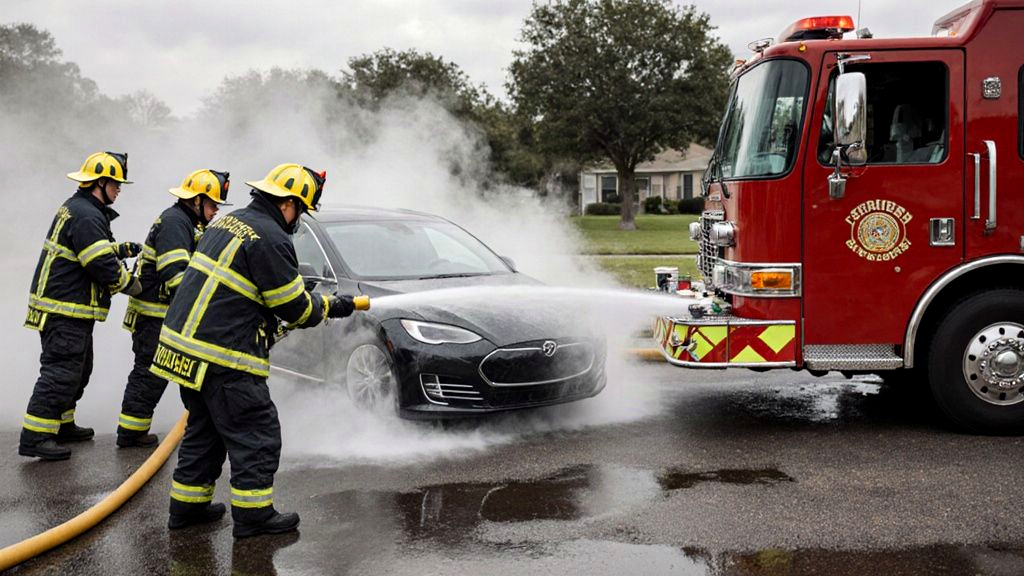
Electric vehicles do not catch fire more often than gasoline cars, but when a lithium-ion battery pack is damaged, the fire behaves very differently. It can burn hotter, reignite hours after the crash appears to be over, and prove stubborn for first responders who are trained on fuel fires. A moderate collision that would leave an ordinary car intact can, in rare cases, breach the battery and change the entire nature of the emergency.
That severity feeds directly into the value of a claim. Burns, smoke inhalation, and the trauma of escaping a burning vehicle carry medical and emotional costs far beyond a typical crash. Understanding how fault is determined in Louisiana becomes especially important when the injuries, and the potential compensation, are this significant.
The Hidden Injuries That Surface Days Later
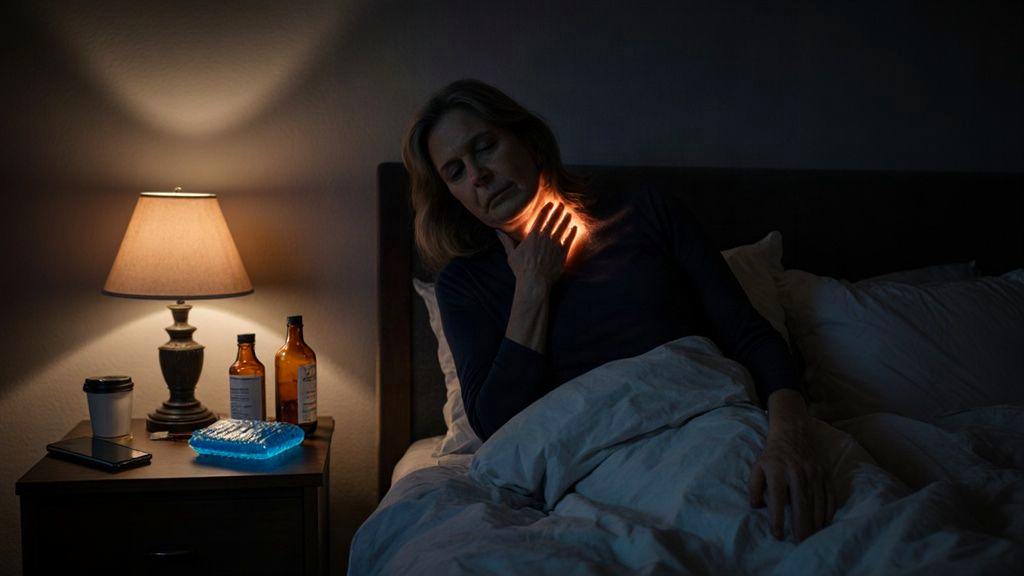
In the first hours after a serious crash, the body floods with stress chemicals that can mask real damage. Many drivers walk away from a Tesla collision believing they are fine, only to find days or weeks later that the pain has arrived and is getting worse. This is one of the most common and costly mistakes accident victims make: assuming that feeling alright at the scene means no injury occurred.
Whiplash affects roughly two out of three people in motor vehicle crashes and can bring headaches, stiffness, dizziness, and trouble concentrating that linger for months. A blow to the head against a window or headrest can cause a concussion that no scan catches at first. The powerful airbag and battery events in a high-speed electric crash can also drive acoustic and impact forces that lead to ringing in the ears and balance problems. Documenting every symptom early, and following through on treatment, protects both your health and your claim.
The toll is not only physical. A significant share of crash survivors develop post-traumatic stress, and auto accidents are one of the leading causes of it. Nightmares, avoidance of driving, panic near large vehicles, and a startle response to sudden sounds are normal reactions to a frightening event, not signs of weakness. Louisiana law recognizes these emotional injuries as real damages, and a complete claim accounts for them alongside the medical bills.
How Louisiana’s 51% Fault Rule Affects Tesla Car Accidents
⚠ Why This Law Change Matters
As of January 1, 2026, Louisiana moved from a pure comparative fault system to a modified comparative fault rule. If you are assigned 51% or more of the fault for a crash, you recover nothing from the other responsible parties. Below that line, your compensation is reduced by your percentage of blame. In a Tesla case, an insurer will argue that you should have been watching the road and taken over from the automation, trying to push your share past the 51% mark. Proving that a driver-assist defect or another motorist caused the crash is what keeps you on the recovering side of that line.
This is precisely why the vehicle’s own data is so valuable. When the telemetry shows that Autopilot was engaged, that the driver had no realistic chance to react, or that another car triggered the sequence, it becomes far harder for an insurer to shift the majority of the blame onto you.
What to Do After a Tesla Car Accident
Call 911 and Get a Police Report
An official report creates a neutral record of the scene, the road conditions, and the other parties involved. Note whether any driver-assist feature was active, and mention it to the responding officer.
Seek Medical Care Even If You Feel Fine
Because serious injuries can hide for days, a prompt evaluation both protects your health and links any later symptoms to the crash. Keep every record and follow the treatment plan.
Preserve the Vehicle and Its Data
Do not authorize repairs or let the car be scrapped before the data is secured. The telemetry inside a Tesla is often the case, and once it is gone it rarely comes back.
Do Not Admit Fault or Give a Recorded Statement
Describe what happened factually and let a full investigation determine liability. Under the 51% rule, every percentage point matters, and casual words at the scene can be used to inflate your share of the blame.
Frequently Asked Questions About Tesla Car Accidents
Often, at least in part. Tesla instructs drivers to stay engaged and ready to take over, so a distracted driver can share fault. But if the system failed to respond to a clear hazard, responsibility may extend to the manufacturer as well. The data usually settles which it was.
Possibly. If a design defect, a manufacturing flaw, or an inadequate warning contributed to your injuries, the Louisiana Products Liability Act allows a claim against the manufacturer. These cases require preserving the vehicle and its data and often involve engineering experts.
For crashes on or after July 1, 2024, Louisiana’s Civil Code article 3493.1 generally gives you two years from the date of injury to file. Product liability claims and cases involving a government entity can carry different or shorter deadlines, so it is best to consult an attorney early.
The combination of driver-assistance software, extensive onboard data, over-the-air updates, and battery-fire risk means more parties can be liable and more evidence is at stake. That evidence can disappear quickly, which makes fast action essential.
Injured in a Tesla Crash? Protect Your Claim Before the Data Is Gone.
Free consultation. No obligation. We move fast to preserve the evidence that wins these cases.
(504) 888-7777No Fees Unless We Win • Se Habla Español
About the Author: Sean Regan is a New Orleans-based personal injury attorney and the founder of Sean Regan Law. A graduate of LSU and Loyola Law School, he represents drivers throughout Louisiana in complex crash and product cases and is available around the clock at (504) 888-7777.